
Planning an event in Cape Town means choosing the right venue early, designing around the wind and the seasons, and allowing extra time for permits and peak-season logistics. Get those three right and the city gives you one of the most spectacular backdrops in the world.
Few places on the continent can match it. Table Mountain behind the stage, golden light that lasts well into a summer evening, and audiences who show up ready to celebrate. However, the same city that makes events unforgettable also has its own rules. The wind, the seasons and the summer rush all shape how a Cape Town event comes together.
This guide shares what we have learnt from producing events in the Mother City, from the Grand Parade to arena tours and international festivals.
Why Cape Town Is Different
Every city has its quirks. In Johannesburg, it is Highveld thunderstorms and altitude. In Cape Town, it is the weather pattern, the coastline and the rhythm of the tourist season.
Cape Town has a winter-rainfall climate. Most of its rain falls between May and August, while summer is usually dry, bright and long. That makes summer the natural season for outdoor events. Then again, summer also brings the south-easter, the strong wind locals call the Cape Doctor.
The city also changes shape in December and January. Visitors arrive, traffic builds and popular venues, crews and suppliers book out early. Planning an event in Cape Town at that time of year needs a longer runway than the same event would need in March.
If you are also comparing cities, our guide to planning a large-scale event in Johannesburg covers the Highveld side of the story.
Choosing The Right Cape Town Venue
Cape Town offers an extraordinary range of event spaces. Convention centres, arenas, wine estates, beachfront sites, historic squares and rooftop venues all compete for the same peak dates.
When you shortlist a venue, look beyond the view. Ask these questions early:
- Capacity and layout. Can the space hold your audience with room for staging, bars, toilets and emergency routes?
- Rigging and structure. Are there rated rigging points, or will you need ground-supported structures?
- Power. Is the venue's supply enough for your lighting, audio and LED, or will you need generators?
- Access. How do trucks reach the load-in point, and are there time or noise restrictions?
- Exposure. Is the site open to the wind, the sun or the sea air?
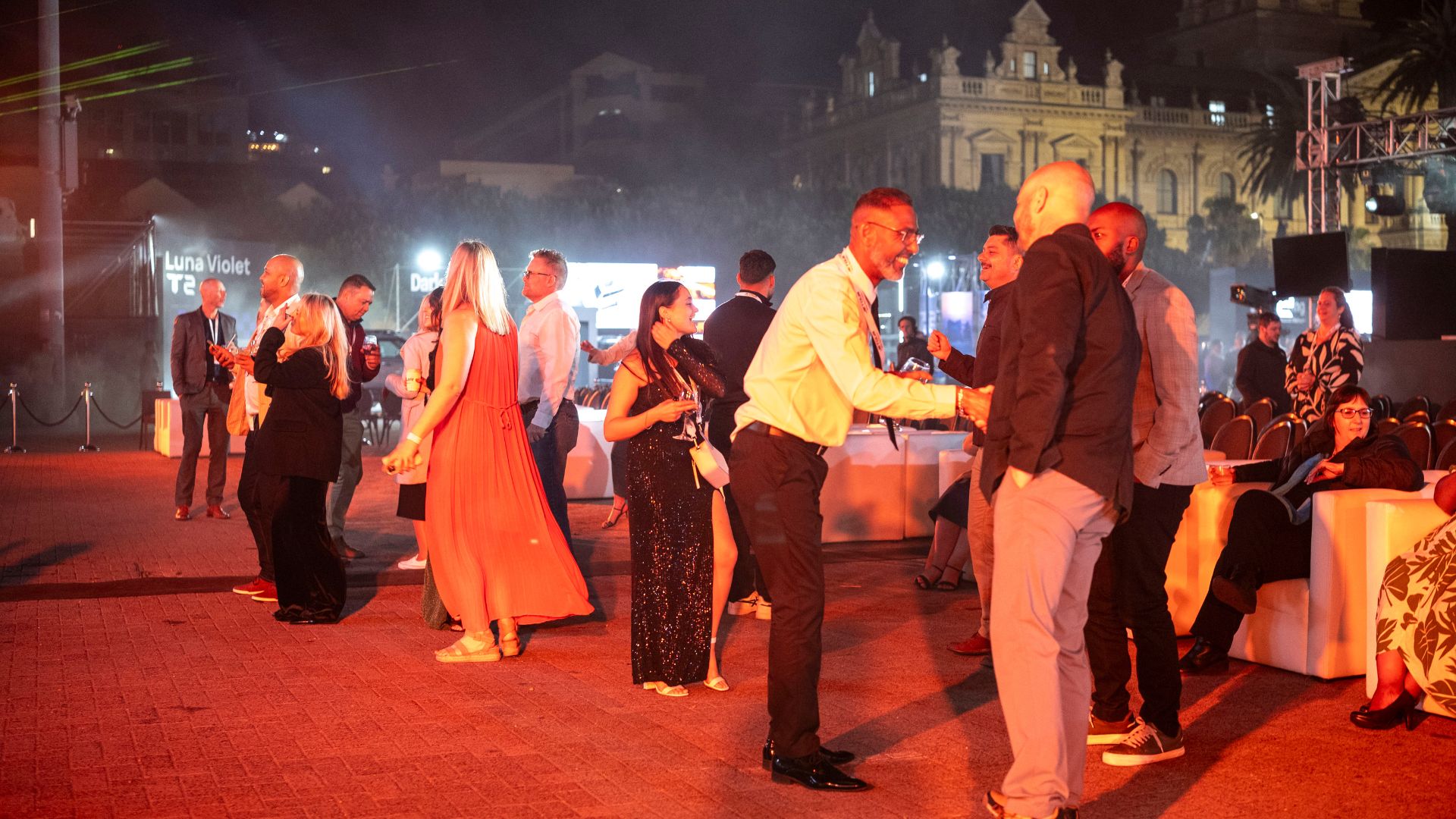
Outdoor and heritage sites need the most planning. When we produced the Jetour T-Series launch on the Grand Parade, the square became a cinematic launch arena with a choreographed reveal and fireworks against Table Mountain. A space like that has to be built from the ground up, with every structure, cable and barrier brought in and taken out again.
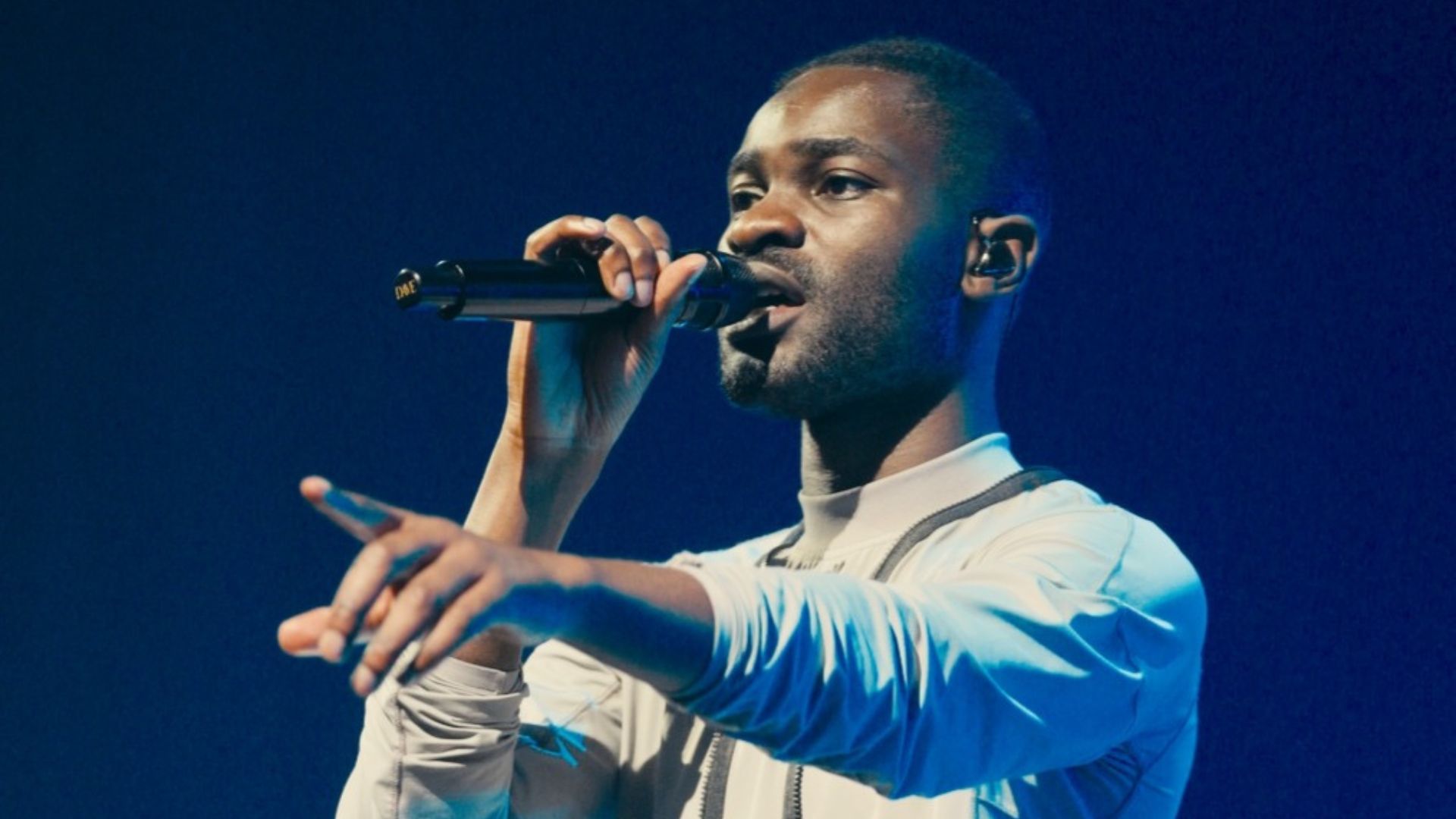
Indoor arenas bring a different challenge. On the Dave tour, we moved from Pretoria to Grand West Arena in Cape Town, and each venue needed its own rigging plan and load-in schedule. Two arenas, two sets of rules, one show standard.
Planning Around The Wind And Weather
The south-easter is the single biggest production factor for outdoor events in Cape Town. It can arrive suddenly and blow hard for days, especially in summer.
Wind affects almost everything you build:
- Stage roofs and LED walls act like sails, so they must be engineered for the site's wind loads.
- Flown speakers and lighting need wind limits and clear hold points.
- Marquees, banners and décor need proper anchoring.
- Audio can drift on strong gusts, which changes how far sound carries.
For that reason, every outdoor structure should be signed off by a registered engineer, and every event should have a written weather plan. That plan sets the wind speeds at which the team pauses the show, lowers equipment or evacuates the stage. Agree those numbers with your safety officer long before the event.
The coast adds two quieter factors. Salt air is hard on electronics, so equipment needs care on longer builds. Meanwhile, summer sunsets come late. If your show depends on lighting and screens, a 7pm start may still be in full daylight. Plan your run of show around the light, not just the clock.
Permits, Safety And Approvals
Larger events in Cape Town need approval from the City, and they fall under national safety legislation. In South Africa, that means the Safety at Sports and Recreational Events Act, often shortened to SASREA. Depending on your event, you may need a safety officer, a risk assessment, structural sign-offs, site plans and emergency procedures.
Above all, start early. Approval processes take time, and they move more slowly when every other summer event is applying too. Our guide to event safety compliance in South Africa explains what SASREA means for your team.
A production company with Cape Town experience will prepare the technical documentation the authorities expect and work alongside your appointed safety officer.
Getting The Logistics Right
Cape Town logistics come down to timing.
First, book crews and equipment early, especially for December and January. Second, plan truck movements around peak traffic in the city centre, the Atlantic seaboard and along the N2. Third, allow time for longer builds on outdoor sites, where the weather can pause work.
Local knowledge saves real time and money. Working with Cape Town crews and suppliers cuts freight, travel and risk. It also means people who know which roads close for summer events and which venues have tight access.
Noise is worth planning for too. Many Cape Town venues sit close to homes, hotels and nature reserves, so sound limits and curfews are common. A good audio design points the sound at your audience rather than the neighbours, which keeps the event on the right side of residents and the City.
If your event is a multi-stage outdoor show, our festival production approach covers site design, power, crowd flow and weather planning in more depth.
Working With A Local Team
The right partner makes Cape Town feel easy. Look for a team with real projects in the city, engineers who understand wind loads, and producers who know the venues and the approval process.
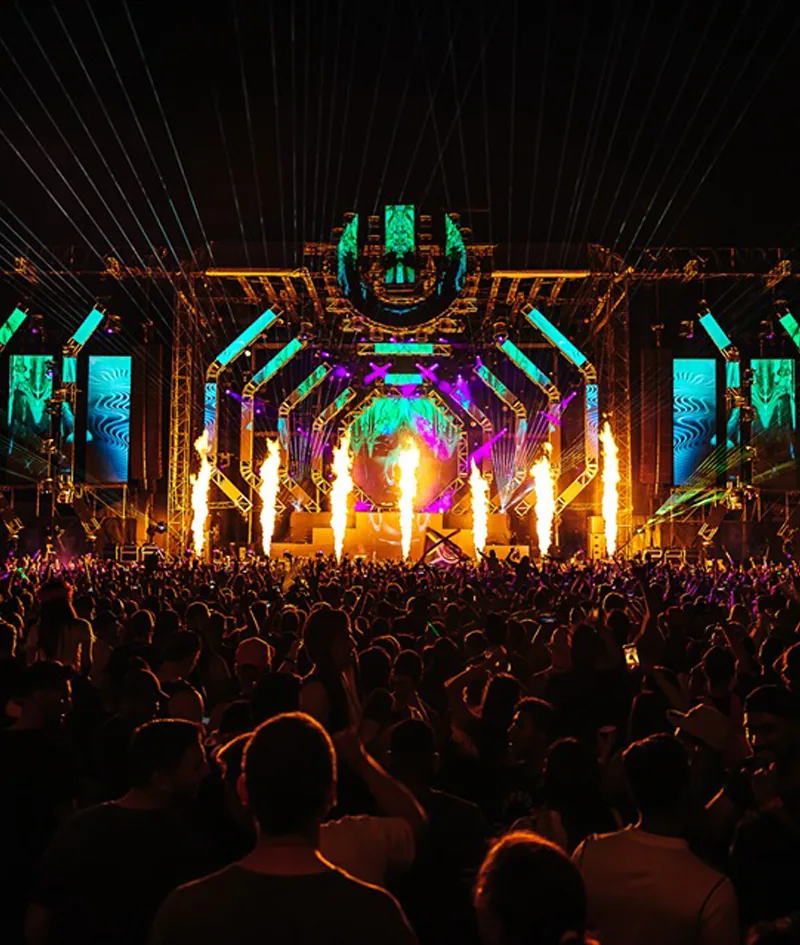
Mushroom Productions has been part of Cape Town's event story for more than two decades, from the 46664 Nelson Mandela concert in 2003 to Ultra Music Festival South Africa's Cape Town editions. As an event company in Cape Town with offices in Blouberg, we plan, engineer and run events with local crews and a working knowledge of the city.
Last reviewed: November 2026
Frequently Asked Questions
What is the best time of year for an outdoor event in Cape Town?
Summer, roughly November to March, is usually dry and warm, which suits outdoor events. However, it is also the windiest and busiest season, so plan for the south-easter and book early.
How far ahead should I start planning an event in Cape Town?
For large or outdoor events, start nine to twelve months ahead. Conferences and corporate events in established venues can often work on around six months, but peak summer dates fill quickly.
Do I need a permit for an event in Cape Town?
Most public and larger events need approval from the City of Cape Town, and many also fall under SASREA. Your production company and safety officer can confirm what applies to your event.
How do you protect an outdoor stage from the wind?
Stages, roofs and LED walls are engineered for the site's wind loads and signed off by registered engineers. Every event also has agreed wind limits and a written weather plan for pausing or stopping the show safely.