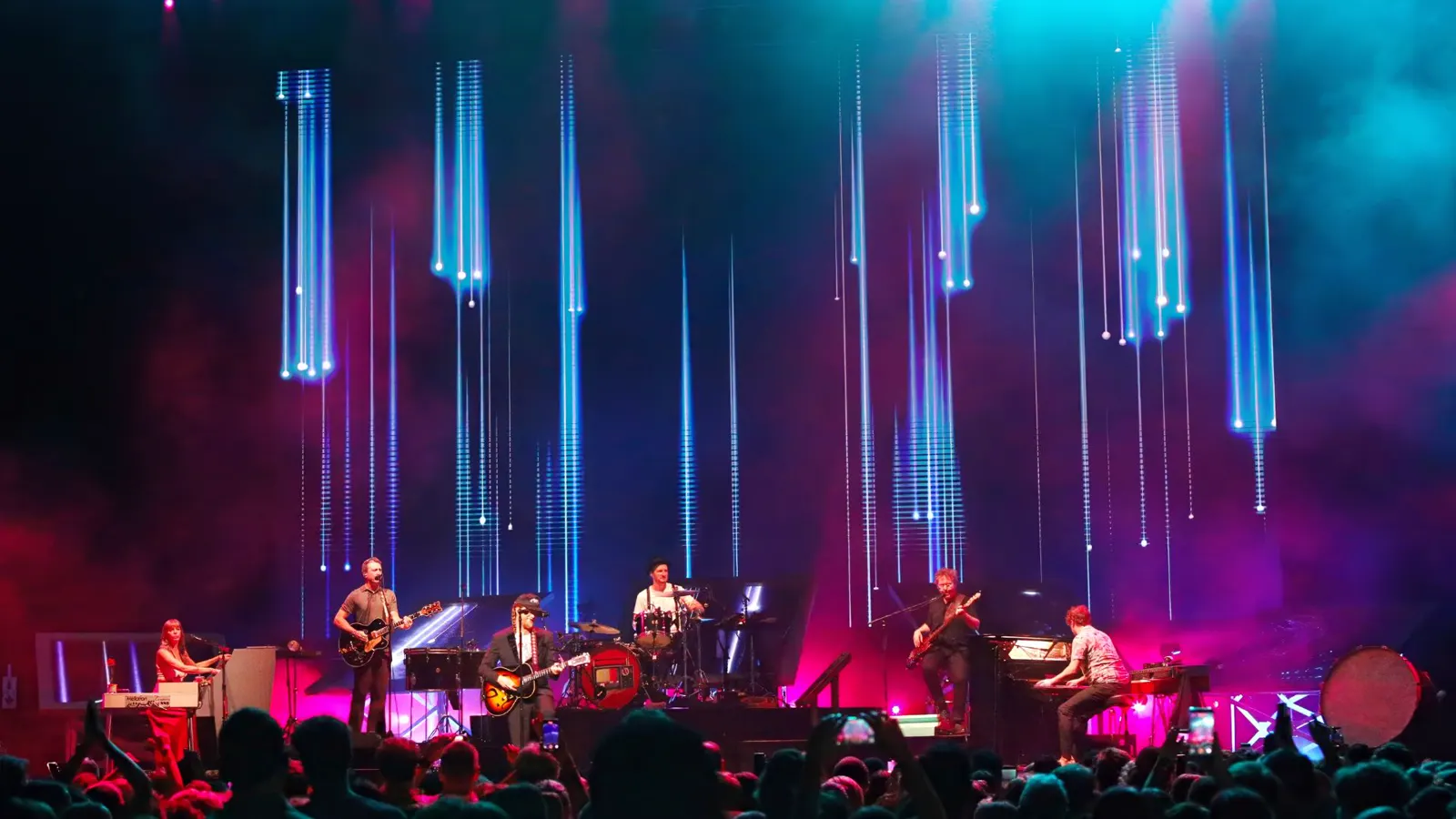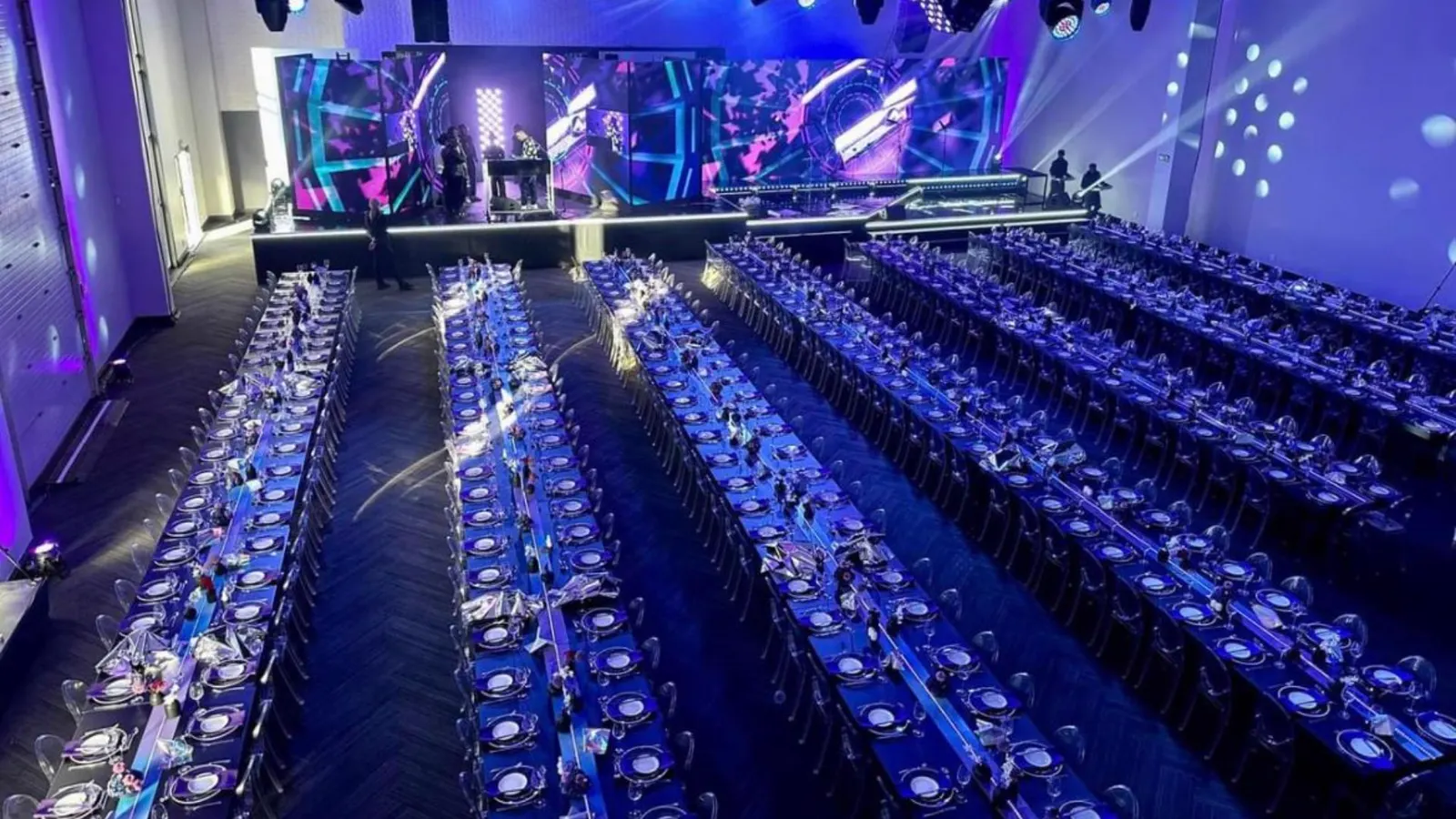
Safety compliance is often treated as paperwork to be finished once the show is designed. In practice it shapes the show itself: where the stage can go, how many people the site can hold, how the audience gets in and out, and what happens when something goes wrong. Organisers who treat compliance as part of production planning get approvals faster, spend less on late changes and run safer events.
Mushroom Productions has spent more than 30 years producing concerts, festivals, sporting events and corporate events across Africa. This guide explains the South African framework every large-event organiser needs to understand, and where production decisions and compliance meet.
This article provides general guidance, not legal advice. Requirements depend on your event, venue and municipality, so confirm current obligations with the relevant authorities and your appointed safety officer.
The Legal Framework at a Glance
Event safety in South Africa sits across several layers:
- The Safety at Sports and Recreational Events Act, 2010 (SASREA), Act No. 2 of 2010, and the regulations made under it. This is the core law for large events.
- SANS 10366, Health and Safety at Events, the South African national standard widely used as the benchmark for event risk assessment and safety management.
- The Occupational Health and Safety Act, 1993, which covers the safety of crew and workers during build, show and de-rig.
- The Private Security Industry Regulation Act, 2001, which governs the security officers and security service providers working at events.
- Municipal events by-laws and approval processes, which differ by city. Johannesburg, Cape Town and other metros each have their own committees and timelines.
Does SASREA Apply to Your Event?
SASREA defines an event broadly: sporting, entertainment, recreational, religious, cultural, exhibitional, organisational or similar activities. What triggers the Act is where the event is held. It applies to events at a stadium or venue with a safe spectator capacity of at least 2,000 people, as certified by the local authority, and to events held along a route, such as races and processions. It does not apply to gatherings governed by the Regulation of Gatherings Act, such as protests.
A product launch for 300 guests in a hotel ballroom will usually fall outside SASREA. That does not make it unregulated. Municipal by-laws, venue requirements, temporary structure approvals and occupational health and safety obligations still apply. A festival on open land, a stadium concert or a sports-entertainment event will almost always fall squarely inside the Act.
Who Counts as the Event Organiser?
This is one of the most misunderstood parts of the law. SASREA defines an event organiser as anyone who plans, manages, supervises or holds an event, or who holds sponsorship rights to it or has a material interest in it. A brand that owns or title-sponsors an event can carry legal responsibility alongside the promoter and the venue owner.
Responsibility for safety cannot be fully outsourced. It can, and should, be properly organised, with clear roles agreed in writing before planning begins.
Risk Categorisation
Under section 6 of SASREA, the National Commissioner of the South African Police Service categorises each event as low risk, medium risk or high risk. Organisers submit event details to SAPS so this categorisation can be made, and organisers who stage events regularly submit an annual schedule.
The categorisation considers factors such as expected attendance, the venue and its certification, the nature of the event, its history of incidents, whether alcohol will be served, and the level of rivalry between competing teams or supporters. If you disagree with the categorisation, you can submit additional information and ask for it to be reconsidered.
The category matters because it determines what comes next. A high-risk categorisation triggers additional certification, a fully staffed venue operations centre and closer police involvement.
The Key Roles
Safety officer. The organiser must appoint a safety officer to help plan and oversee safety and security measures. This should be an experienced professional appointed early, not a name added to a form in the final week.
Event safety and security planning committee. Chaired by an authorised SAPS member, this committee brings together the role-players responsible for safety and security. It coordinates the safety and security plan, assigns responsibilities, designates restricted zones and advises SAPS on risk categorisation.
Venue operations centre (VOC). For medium- and high-risk events, the VOC is where the entire safety and security operation is coordinated on the day. It is staffed by police, emergency services, the organiser, the safety officer and other designated role-players. A written VOC contingency and operational plan must be prepared and generally distributed at least 30 days before the event.
Stewards and security officers. Stewards manage crowd flow, provide information to spectators and assist with emergency evacuation. Security officers must be registered with the Private Security Industry Regulatory Authority (PSIRA). The two roles are legally distinct and should not be confused in your staffing plan.
Certificates, Plans and Insurance
Depending on the event's risk category and venue, expect to need:
- Venue safety and grading certificates issued by the local authority, confirming a venue's infrastructural safety and its safe spectator capacity.
- A high-risk event safety certificate, for events categorised as high risk. The application must be submitted to SAPS at least 60 days before the event.
- A safety and security plan coordinated through the planning committee.
- Public liability insurance, which section 25 of SASREA requires to be in place for the event and sourced from a registered insurer.
- Temporary structure approvals. Stages, grandstands, roofs, marquees and large LED screens typically require design and sign-off by a registered engineer, plus municipal approval.
- Medical, emergency and evacuation plans appropriate to the size and nature of the audience.
The Municipal Layer
National law sets the framework; cities run the process. In Johannesburg, the City's Joint Operations Committee (JOC) coordinates approvals across the Metro Police, Emergency Management Services, Disaster Management, Environmental Health and other departments. Cape Town runs its process through the City's Events Permit Office. Each municipality sets its own forms, fees and lead times, and late applications may not be processed.
If you are planning in Gauteng, our guide to planning a large-scale event in Johannesburg covers the city's process alongside venues, weather and logistics.
Where Production Meets Compliance
Most compliance problems are created in the production design. These are the areas where we see the most impact:
- Stage and rigging engineering. Every structure must be designed for its load and its environment, including wind loading on roofs and LED screens. Engineering sign-off should be built into the production schedule, not chased on build day.
- Front-of-stage design. Barrier systems, pit size and access for medical and security teams determine how safely a crowd can be managed at its densest point.
- Crowd capacity and flow. Site layout determines density, sightlines, queue spaces, emergency routes and egress times. A layout that looks good on a render can still fail a capacity calculation.
- Power and emergency systems. Emergency lighting, safety announcements and communications need protected, redundant power that keeps working if show power fails.
- Show-stop procedures. Everyone must know who has authority to stop the show, how the stop is communicated to the audience, and how the show resumes safely.
- Weather. Outdoor events need written thresholds for wind, lightning and heavy rain, agreed in advance with the safety officer.
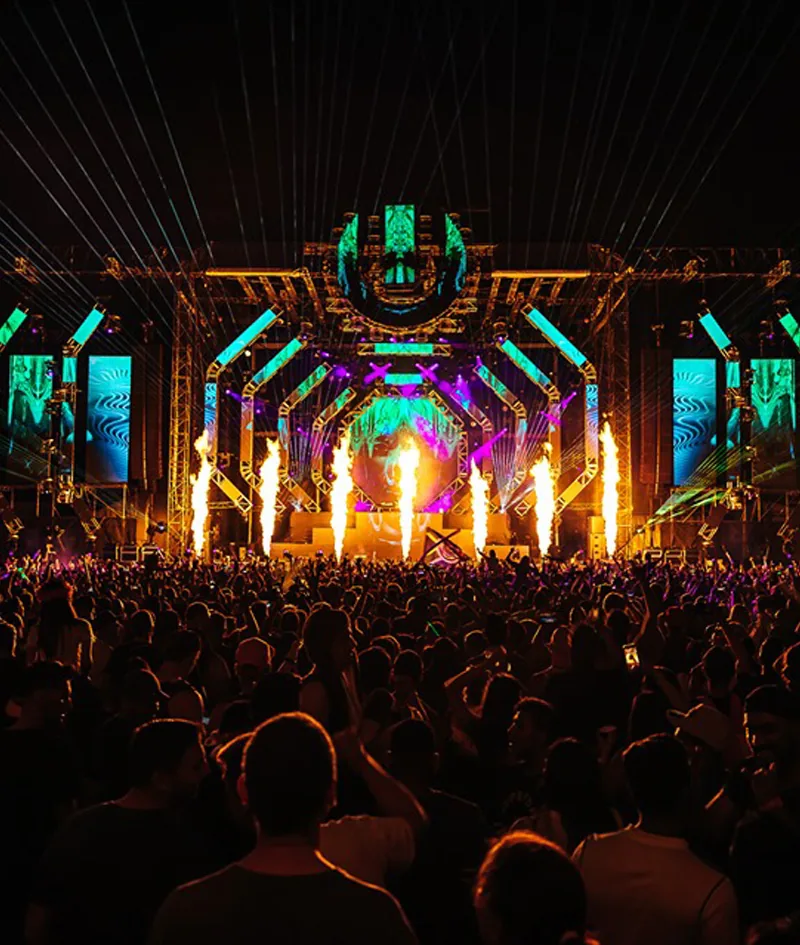
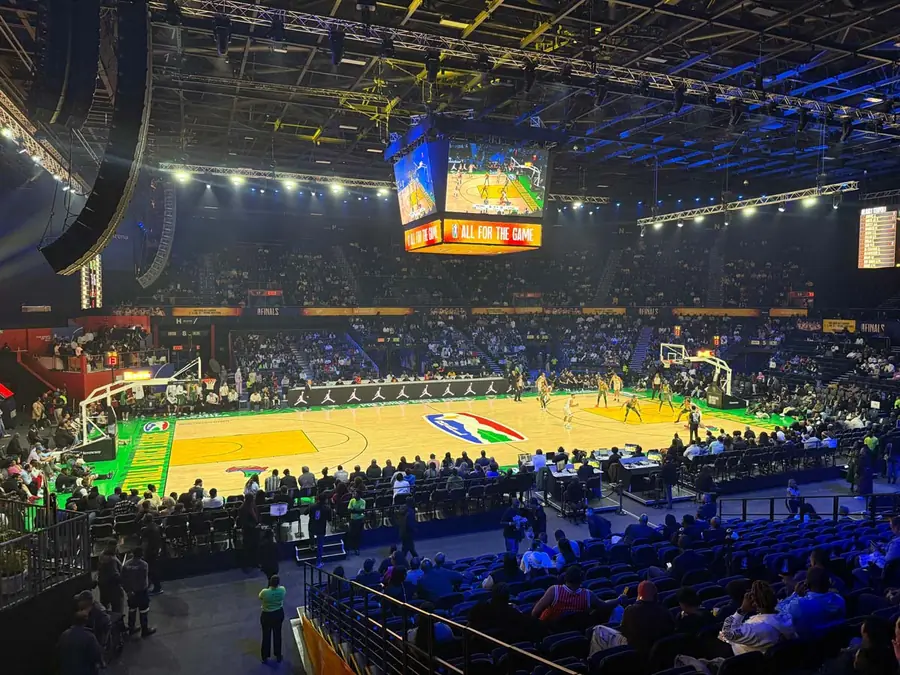
This is why we involve safety considerations from the first production concept on every concert, sporting event and corporate production we deliver. Our work on events such as the Basketball Africa League and Ultra Music Festival South Africa depends on production and safety planning moving together. For a closer look at how large shows come together, read behind the scenes of large-scale concert production.
A Compliance Timeline for Large Events
| When | What should be in place |
|---|---|
| Concept stage | Venue certification confirmed, expected capacity defined, safety officer identified |
| 6 months out | Safety officer appointed, risk assessment started, event details submitted to SAPS for risk categorisation |
| 3 months out | Site layout, structural designs and crowd management plan finalised; municipal applications prepared |
| 60 days out | High-risk event safety certificate application submitted (high-risk events) |
| 30 days out | Safety and security plan and VOC plan distributed; municipal and metro police applications complete |
| Build and show | Structural inspections and sign-offs, VOC operational, stewards and security briefed |
Smaller or lower-risk events can work on shorter timelines, but every municipality sets minimum lead times for applications.
Common Mistakes to Avoid
- Appointing the safety officer after the production design is locked.
- Assuming the venue's certification covers your temporary structures and overlay.
- Treating stewards and security officers as interchangeable.
- Forgetting that sponsors and brand owners may share organiser responsibility.
- Leaving municipal applications until the final month.
- Having no written weather or show-stop procedure.
Frequently Asked Questions
What is SASREA?
SASREA is the Safety at Sports and Recreational Events Act, 2010 (Act No. 2 of 2010). It sets out responsibilities for safety and security at sporting, entertainment, cultural and similar events held at stadiums and venues certified for 2,000 or more spectators, and at events held along a route.
Who categorises an event's risk level?
The National Commissioner of the South African Police Service categorises events as low, medium or high risk, based on information submitted by the event organiser.
When must a high-risk event safety certificate be applied for?
At least 60 days before the event, by application to the National Commissioner of SAPS.
Do small corporate events need to comply with SASREA?
Events at venues with a certified capacity below 2,000 usually fall outside SASREA. They must still comply with municipal by-laws, venue rules, temporary structure approvals and occupational health and safety law.
Produce Your Next Event With Safety Built In
Mushroom Productions has more than 30 years of experience delivering large-scale events across Africa, with safety planning built into production from day one. Talk to our team about your next event.
This article provides general information about event safety legislation in South Africa and does not constitute legal advice. Legislation, regulations and municipal processes change; confirm current requirements with SAPS, your local authority and your appointed safety officer.