
An event planner shapes what your event is, while a production company builds how it looks, sounds and runs on the day. Most large events need both, and the best results come when you know exactly where one role ends and the other begins.
That line matters more than it sounds. When it is blurry, critical jobs fall through the gap. Nobody books the generator. Nobody checks the roof can carry the lighting rig. As a result, the night that should feel effortless becomes a scramble behind the curtain.
This guide explains what each role covers, when you need one or both, and how to choose the right team for your next event in South Africa.
What An Event Planner Does
Event planning is about the guest experience from invitation to farewell. A good event planner turns your goals into a clear plan and then manages the people who deliver it.
Typically, an event planner looks after:
- Concept, theme and overall event flow
- Venue search and booking
- Guest lists, invitations and RSVPs
- Catering, décor, florals and furniture
- Entertainment bookings and MC briefings
- Supplier coordination and the master budget
- Guest logistics such as transport and accommodation
In other words, the planner owns the "what" and the "who". They decide the shape of the evening, and they keep every supplier pointing in the same direction.
For a small dinner or a straightforward conference in a fully equipped venue, an event planner can often handle everything. The venue's in-house sound system and screen may be all you need.
What A Production Company Does
A production company owns the technical and creative build of the event. This is the part your guests feel rather than notice. It is the moment the lights drop, the screens come alive and the room goes quiet.
A full-service production company typically handles:
- Show design and stage architecture
- Audio, lighting, video and LED screens
- Rigging, trussing and engineered structures
- Power planning, generators and distribution
- Technical drawings, site plans and safety documentation
- Crew, load-in, rehearsals and de-rig
- Show calling, where one person cues every element live
So where the planner owns the "what", the production team owns the "how". They make sure the reveal lands on the right beat, the speech is heard at the back of the room and the structure is signed off before a single guest arrives.
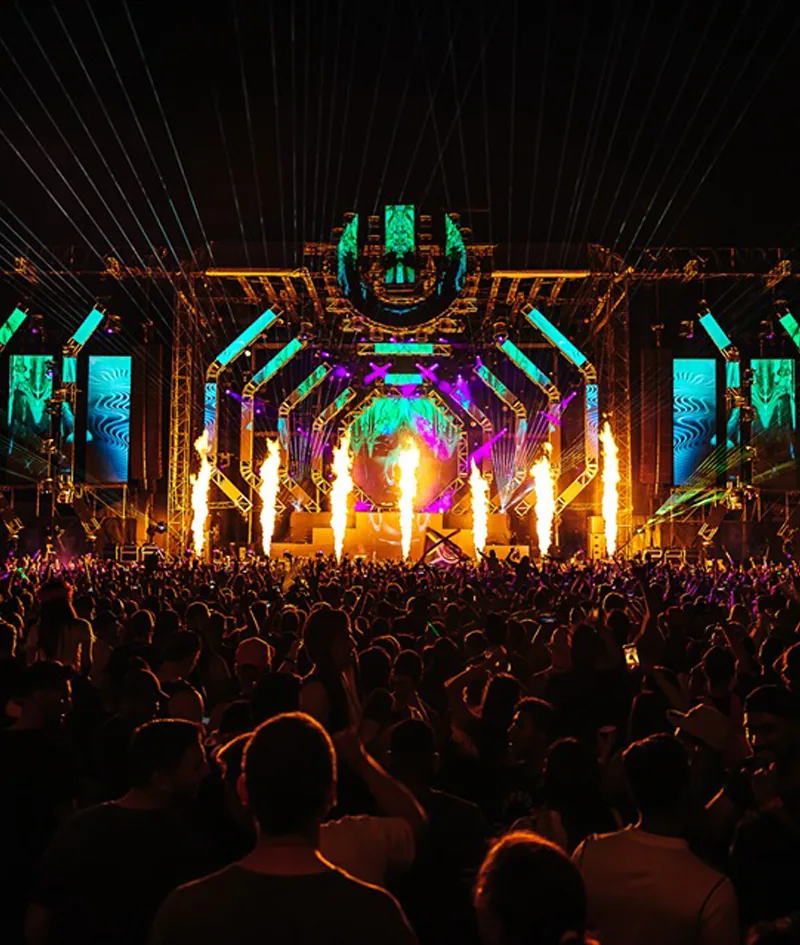
At Mushroom Productions, this has been our work since 1994. We have built stages for stadium concerts, award shows and car launches across Africa, and the principle never changes. Every cue is planned, rehearsed and owned.
Where The Two Roles Overlap
In practice, the boundary is not a wall. It is a shared space where good teams talk constantly.
Venue choice is the clearest example. A planner may love a venue for its views and location. However, the production team needs to know the rigging points, power supply, load-in access and ceiling height. A beautiful room that cannot take your lighting design will cost you either the design or the room.
Entertainment is another overlap. The planner books the band. Next, the production team reads the band's technical rider and makes sure the stage, sound and backline match it.
Budget sits in the middle too. The planner holds the master budget, while the production company prices the technical build. When both work from the same brief, there are far fewer surprises later. Our guide on how to write an event brief shows what to include so both teams start aligned.
When You Need Both
You will usually need an event planner and a production company when your event has any of the following:
- More than a few hundred guests
- A stage show, awards programme or product reveal
- An outdoor or greenfield site with no built-in infrastructure
- Multiple days, venues or cities
- Live streaming or a broadcast audience
- A brand moment that has to feel spectacular, not just functional
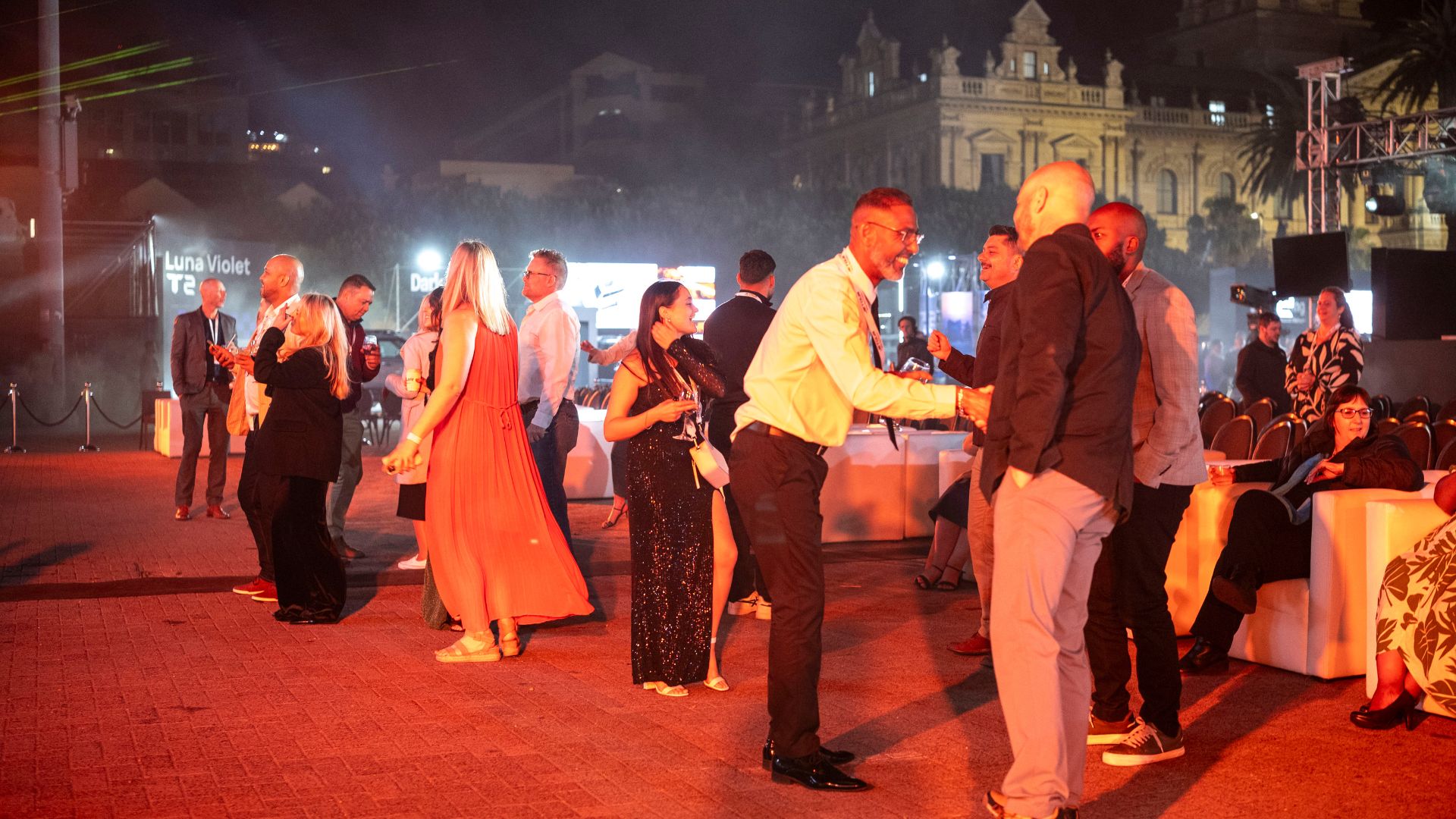
A year-end function for a large company is a good example. The planner handles the theme, venue, guest list and dinner. Meanwhile, the production team builds the stage, runs the sound and lighting, and calls the awards segment so every winner walks up to the right music. Our corporate event production work often runs exactly this way.
When One Team Can Do Both
Some production companies also offer event management, which means one team can carry the project from concept to de-rig. This works well when the event is technically complex, because the people designing the show are also shaping the plan.
The benefit is simple. You have one point of contact, one schedule and one team accountable for the result. Decisions about the stage, the run of show and the guest journey happen in the same room.
That is how we approach many of our projects. Our event management and production services bring producers, engineers and designers together under one roof, so the creative idea and the technical plan grow side by side.
On the other hand, if you already have a trusted planner or an internal events team, a production company can slot in alongside them. Both models work. What matters is that every task has a clear owner.
How To Choose The Right Team
Whichever route you take, these questions help you choose well.
Have they delivered events like yours? Ask for case studies at a similar scale and format. A team that runs intimate dinners may not be ready for a stadium.
Who owns safety and compliance? In South Africa, larger events fall under the Safety at Sports and Recreational Events Act. Make sure someone clearly owns the technical documentation and works with your appointed safety officer.
How do they handle venues? A strong production partner will visit the venue early and flag limits before you commit. This is where venue sourcing and design experience pays off.
Who calls the show? On the day, one experienced person should cue every element. Ask who that is and how often they have done it.
How do they communicate? You want regular updates, clear drawings and a run of show that everyone can read.
Making The Partnership Work
The best events feel like one team, even when two companies are involved. To get there, bring both parties in early, ideally before the venue is booked. Share one brief, one timeline and one run of show. Then hold a joint site visit so the planner and the production team see the same space at the same time.
Finally, agree who has the final say on technical decisions. When a safety call has to be made at speed, there should be no debate about who makes it.
Get these basics right and your guests will never see the machinery. They will simply remember a night that felt seamless.
Last reviewed: November 2026
Frequently Asked Questions
Is an event planner the same as an event manager?
Not always. The terms are often used interchangeably, but event management usually covers the full project, including budgets, suppliers and on-site running, while event planning can focus more on the concept and guest experience.
Do I need a production company for a corporate event?
If your event has a stage programme, awards, a product reveal, live streaming or more than a few hundred guests, a production company will make it run more smoothly and safely. For a small meeting in a well-equipped venue, the venue's own equipment may be enough.
Can a production company plan my whole event?
Some can. Full-service production companies that also offer event management can take a project from concept to de-rig, which gives you one accountable team.
When should I bring in a production company?
As early as possible, ideally before you sign the venue contract. Early involvement lets the production team check rigging, power and access before you commit.