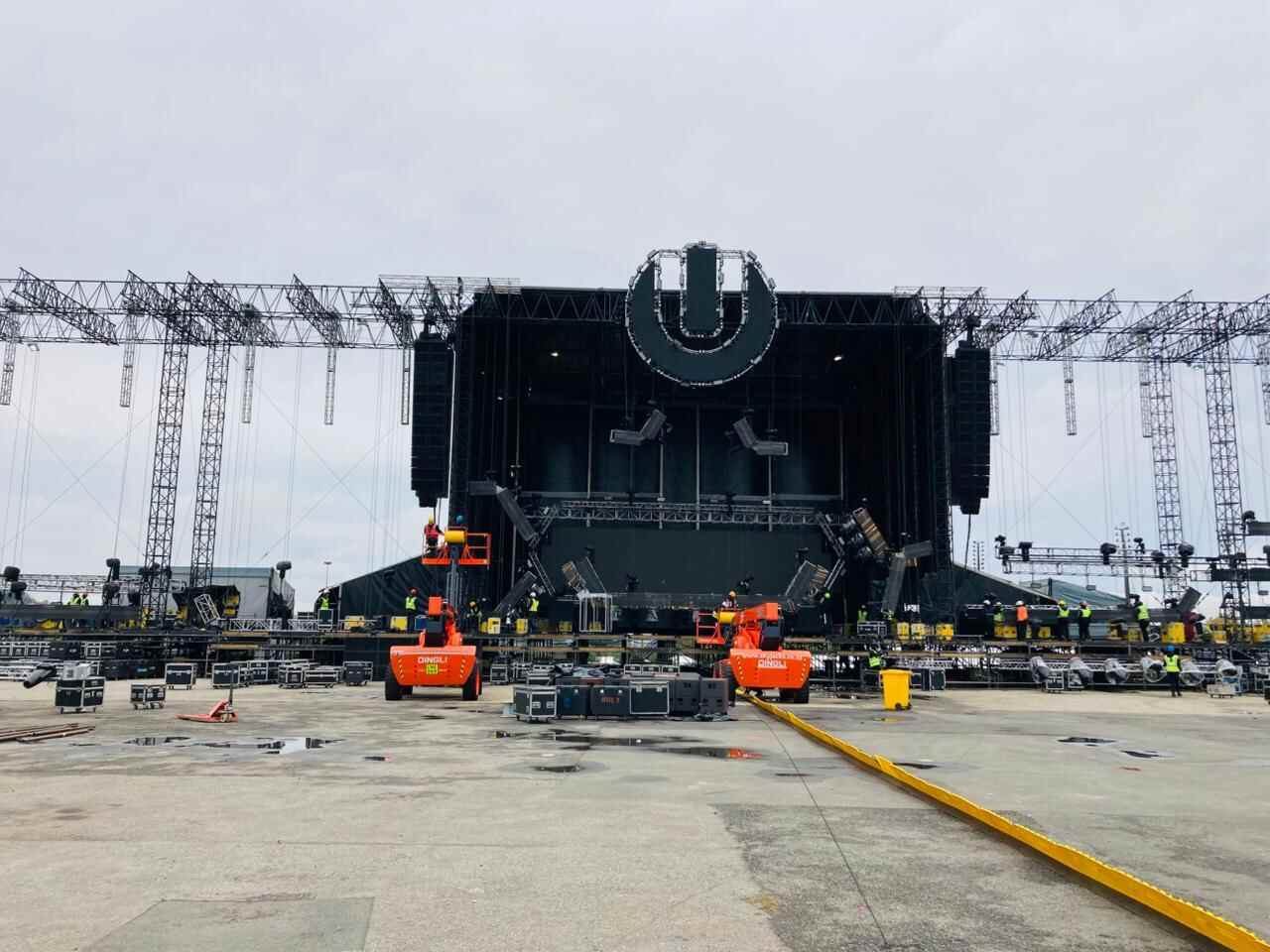
Live events in Africa are growing fast. Nigeria grew its live events sector by 11.2% in 2024. Kenya reached 7.1%. South Africa reached 6.2%. PwC reports these numbers. This growth draws brands, promoters, and rights holders to Africa.
But producing a top event in Africa is not just scaling up a local brief. This is especially true for events that span more than one country. The continent brings tough challenges. These include complex rules, varying customs, poor roads, and moving tonnes of gear across borders.
Mushroom Productions has worked across 8+ African markets for more than 30 years. We have delivered events from Johannesburg to Lagos, Kigali, Nairobi, Accra, and beyond. This is what events in Africa look like. And this is how to do it right.
Why Africa Is Not One Market
Brands and promoters often treat Africa as one territory. It is not. Africa has 54 countries. Each has its own rules, customs, taxes, and licences.
What works in South Africa may need different steps in Nigeria, Rwanda, or Egypt. Each country adds layers. These include: Our NickFest Nigeria production in Lagos is a good example.
- Permits.
- Carnet papers for gear.
- Artist visas.
- Currency controls.
Teams must research and plan these early.
AfCFTA is working to make trade easier. Its progress is encouraging. But for events now, the practical reality is still market-by-market planning.
The Logistics Challenge: Moving Gear Across Borders
A big event uses tonnes of gear. This includes stages, truss, LED walls, sound, lights, generators, and camera gear. Moving this across borders in Africa is one of the toughest shipping challenges.
Customs and Carnet Documentation
Every piece of gear that enters a foreign country for a short time needs an ATA Carnet. It is a global customs paper. It lets goods enter for a short time without paying duty. Getting this right is essential. Errors in carnet papers can hold gear at borders for days. This causes delays to timelines.
The Brookings Institution notes that cross-border delays and complex rules remain major problems. These delays come from broken-up procedures. For event producers, the solution is skilled shipping partners. They know each route well.
Ground Transport and Last-Mile Delivery
Not all African markets have roads or trucks like South Africa. Event teams planning events in remote areas need longer lead times. They must build backup time into every shipping plan.
This is not a barrier. It is a planning factor. Event companies that deliver across Africa build their shipping plans around local facts. They do not import ideas from other markets.
Local Partnerships Are Not Optional
One lesson from 30 years of work across Africa is clear. The quality of your local partnerships determines the quality of your output.
Every African market has local supplier links. These include:
- Crew.
- Gear rentals.
- Catering.
- Security.
- Venue teams.
Importing everything from South Africa or abroad is costly and unnecessary. The best outcomes come from combining top skill with trusted local partners.
This is how Mushroom Productions approaches every production across Africa. Our services cover full event care. Across Africa, this means managing the full mix of global and local teams.
Regulatory and Safety Compliance Across Markets
Every market has its own safety rules, crowd rules, and licence needs. In South Africa, these are set and understood by local teams. In other markets, the rules may be less formal. That does not make them less important.
For any major event in Africa, the following rules apply:
- Permits for each country and city.
- Firework licences and safety certificates.
- Crowd plans approved by local officials.
- Visas and work permits for artists and crew.
- Health and safety aligned with local standards.
- Insurance and risk papers per country.
Missing any of these can stop events, cause fines, or damage name. No event company can afford this. Local know-how is vital. So are relationships with local officials.
What Pan-African Production Actually Looks Like
Mushroom Productions has delivered top events in Africa. This includes our multi-country work with the Basketball Africa League. It required:
- Broadcast-quality work.
- Live streaming.
- Shipping across multiple venues and countries.
What makes this possible is not just experience. It is systems. The key parts are:
- Event plans fit each market.
- Shipping partners know each border crossing.
- Local crew coordinators understand their market.
- A show-calling team can manage complexity across time zones and countries.
The case studies from events across Africa are genuinely different from single-market events. The margin for error is tighter. The planning horizon is longer. The reward is an event that hits multiple markets at the same top-class standard. It is one of the most satisfying outcomes in the industry.
South Africa as the Continental Anchor
For brands and promoters new to Africa, South Africa remains the natural starting point. The country's roads, supplier links, and set rules make it the easiest entry point for big events on the continent.
But the real opportunity lies in what South Africa enables. An event company with deep South African roots and reach across Africa can use South Africa as the logistics hub. It can find the best gear and crew locally. Then it can work across markets with the systems and relationships to deliver consistently.
This is the Mushroom Productions model. That is why global rights holders, brands, and promoters come to us for Africa-wide work. To learn more about our event capabilities, visit our About Us page.
Frequently Asked Questions
What is the biggest challenge in event production in Africa?
The biggest challenge is navigating rules and shipping across multiple countries at the same time. The key parts are:
- Customs papers.
- Permits.
- Crew coordination.
- Freight.
These all need local know-how. They also need trusted local partners.
Do I need a local production partner in each African country?
In most cases, yes. A strong local partner brings knowledge of local rules, supplier relationships, and crew networks. These are essential for a top event in any market. The most successful events across Africa combine global event skill with trusted local teams.
How far in advance should pan-African event production be planned?
Plan further in advance than a domestic event. The following all need longer lead times:
- Visas.
- Work permits.
- Carnet papers.
- Customs clearance.
- Venue booking in multiple markets.
A 6–12 month planning time is standard for big events across Africa.
Which African markets are most accessible for large-scale event production?
South Africa, Nigeria, Kenya, and Rwanda are the most developed markets for big events. They have set roads, supplier links, and rules. South Africa remains the continent's most advanced event market. Our venue portfolio across Africa shows where we have already built shows.
Plan Your Next Pan-African Event with Mushroom Productions
From one market to a full roll-out across Africa, Mushroom Productions has the experience, networks, and systems to deliver. We have been producing top-class events across Africa for more than 30 years.
Get in touch with our team to discuss your next production.
Email: info@mushroom.co.za · Website: mushroom.co.za