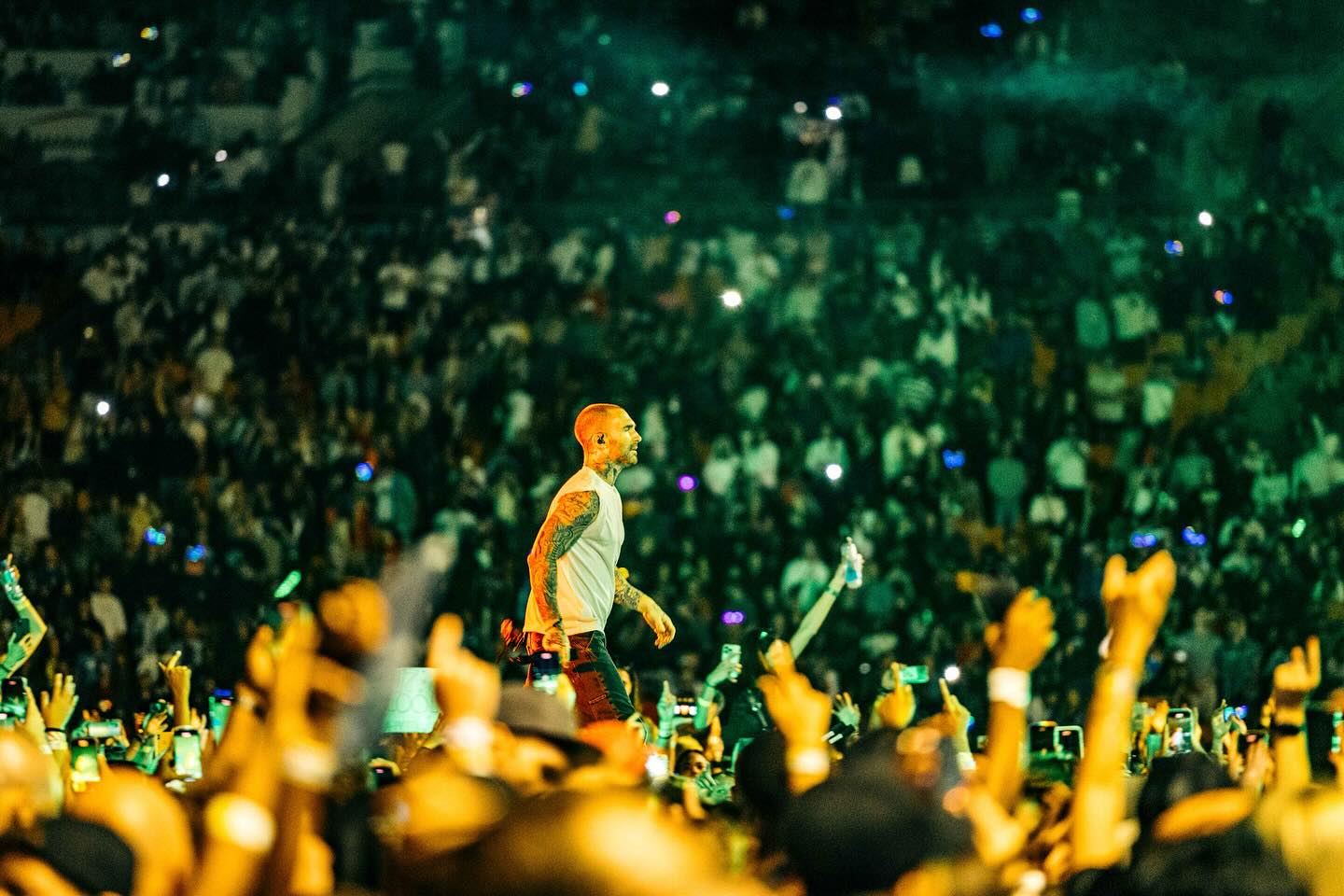
Most people experience a concert from the front of the stage. The lights hit. The bass drops. 60,000 people lose their minds simultaneously. What they don’t see is the six months of planning, the 300-person crew, the 40-tonne rigging system, and the split-second technical cues that make every single second of that experience feel effortless.
Large-scale music concert production is one of the most technically complex disciplines in the live events industry — and one of the most misunderstood. Here’s what actually happens before a single fan walks through the gate.
What Is Large-Scale Concert Production?
Large-scale concert production refers to the end-to-end management of a major live music event — from the initial site survey through to the final load-out. It encompasses technical production (sound, lighting, staging, video), artist management, logistics, safety planning, crowd management, and everything in between.
For an event production company in South Africa working at this level, a single show can involve dozens of suppliers, hundreds of crew members, and months of pre-production planning — all converging on a single night that has to be perfect.
At Mushroom Productions, we’ve been producing large-scale concerts and festivals across Africa for over 30 years — from U2 and Lady Gaga to Beyoncé’s Global Citizen Festival at FNB Stadium. This is what that process looks like from the inside.
Stage 1: Pre-Production — Where the Real Work Happens
The most important part of any large-scale concert happens long before load-in day. Pre-production is where the entire show is designed, planned, and stress-tested.
Site Assessment and Venue Evaluation
Every production begins with a detailed site assessment. The production team evaluates the venue against a checklist that includes power supply capacity, rigging points and structural load ratings, loading dock access for production trucks, sightlines for the audience, and compliance with health and safety regulations.
According to Ticket Fairy’s technical event planning guide, matching the venue’s technical infrastructure to the artist’s production requirements is one of the most critical decisions in the entire concert planning process — and one that cannot be rushed.
Our venue sourcing and design team manages this process across South Africa and the broader African continent, ensuring every space we work in is production-ready before a single truck is loaded.
Artist Technical Advancing
Before any equipment leaves the warehouse, the production team works through the artist’s technical rider in detail. A technical rider is the contractual document that specifies every technical requirement an artist has for their performance — from the PA specification and monitor configuration to the exact dimensions of the stage, the number of follow-spot operators required, and the positioning of dressing rooms.
At the large-scale level, advancing a rider is a multi-week process involving back-and-forth between the production manager, the artist’s touring production team, and every technical department. Our artist and athlete management team handles this integration entirely, ensuring that the artist’s vision is built into the production plan from day one.
Stage 2: Technical Production — Building the Show
Staging and Rigging
A major concert stage is an engineering project. The main stage for a stadium-scale show can weigh hundreds of tonnes, span 30 metres or more in width, and require a structural engineering sign-off before a single truss is erected.
The rigging system above the stage — which holds lighting rigs, speaker arrays, video screens and special effects equipment — must be designed to precise load specifications and inspected by certified riggers before any crew works beneath it. According to Pollstar’s festival production report, pre-production planning for large-scale events typically runs six to eight months, with much of that time dedicated to structural and technical design.
Sound Engineering
Sound is the foundation of the concert experience. A large-scale show requires a full PA system — main hang speaker arrays, front fills, side fills, and delay towers — sized and configured for the specific acoustic properties of the venue.
The front-of-house engineer mixes the show live for the audience, while a separate monitor engineer manages what each performer hears on stage through in-ear monitors and stage wedges. For the very largest shows, the audio system alone can represent a significant portion of the total production budget.
Lighting Design
Modern concert lighting design is part engineering, part art. A full production lighting rig for a major show includes hundreds of moving head fixtures, LED wash units, follow spots, strobes, hazers, and in many cases, laser systems and 3D projection mapping.
The global stage lighting market was valued at approximately $2.24 billion in 2024, according to a Credence Research report cited by Vello Light — a figure that reflects the industry’s investment in lighting as a core component of the live experience.
Every cue is pre-programmed and rehearsed before the show, with the lighting director triggering sequences live in time with the music during the performance.
Stage 3: Logistics, Crew and Show Day
Crew Coordination
A large-scale production crew can include rigging teams, audio engineers, lighting technicians, stage managers, backline technicians, video operators, pyrotechnics specialists, security personnel, and a production management team overseeing all of it.
Coordinating hundreds of people across a multi-day load-in requires detailed scheduling, clear communication channels, and experienced department heads who can make fast decisions when — not if — something unexpected happens.
Safety and Crowd Management
At the scale of a major concert, safety planning is a discipline in its own right. The production team works with venue management, local authorities and specialist safety consultants to develop crowd flow plans, emergency evacuation protocols, and medical response strategies.
Our risk management and VIP security services cover every dimension of this — from market-specific risk assessments and intelligence gathering to close protection and contingency planning.
Show Day: From Load-In to Final Cue
Load-in for a major concert typically begins 24 to 48 hours before the show. The stage is built, the rigging is flown, the PA is hung and tuned, the lighting rig is programmed, the video systems are tested, and the artist soundcheck takes place — all before a single ticket-holder arrives.
The show itself is run from a production desk by the production manager, who calls cues in real time and manages every technical department simultaneously. Every moment that looks spontaneous from the front row has been rehearsed, planned and cued in advance.
What Separates World-Class Production From Everything Else?
Experience. Relationships. And the ability to solve problems in real time without the audience ever knowing there was one.
Large-scale concert production in Africa comes with a unique set of challenges — from power infrastructure limitations in certain markets to the logistical complexity of importing specialist equipment across borders. That’s why choosing an event production company in South Africa with genuine continental experience is the single most important production decision a promoter or brand can make.
Over three decades, Mushroom Productions has built the supplier relationships, the crew networks, and the institutional knowledge that makes the difference between a good show and a legendary one. From the first site survey to the final pyrotechnic cue — we handle everything.
Ready to Produce Something Legendary?
Whether you’re planning a major concert, a festival, or a large-scale brand experience, Mushroom Productions brings 30 years of production expertise to every brief.